San Diego Homelessness Services Up 37% Since 2019, but System Still Short 3,100 Supportive Housing Units
A City Council update showed more people receiving services and longer durations of homelessness, even as unsheltered counts declined for the second straight year. Supportive housing units cost an average of $565,000 each to develop.
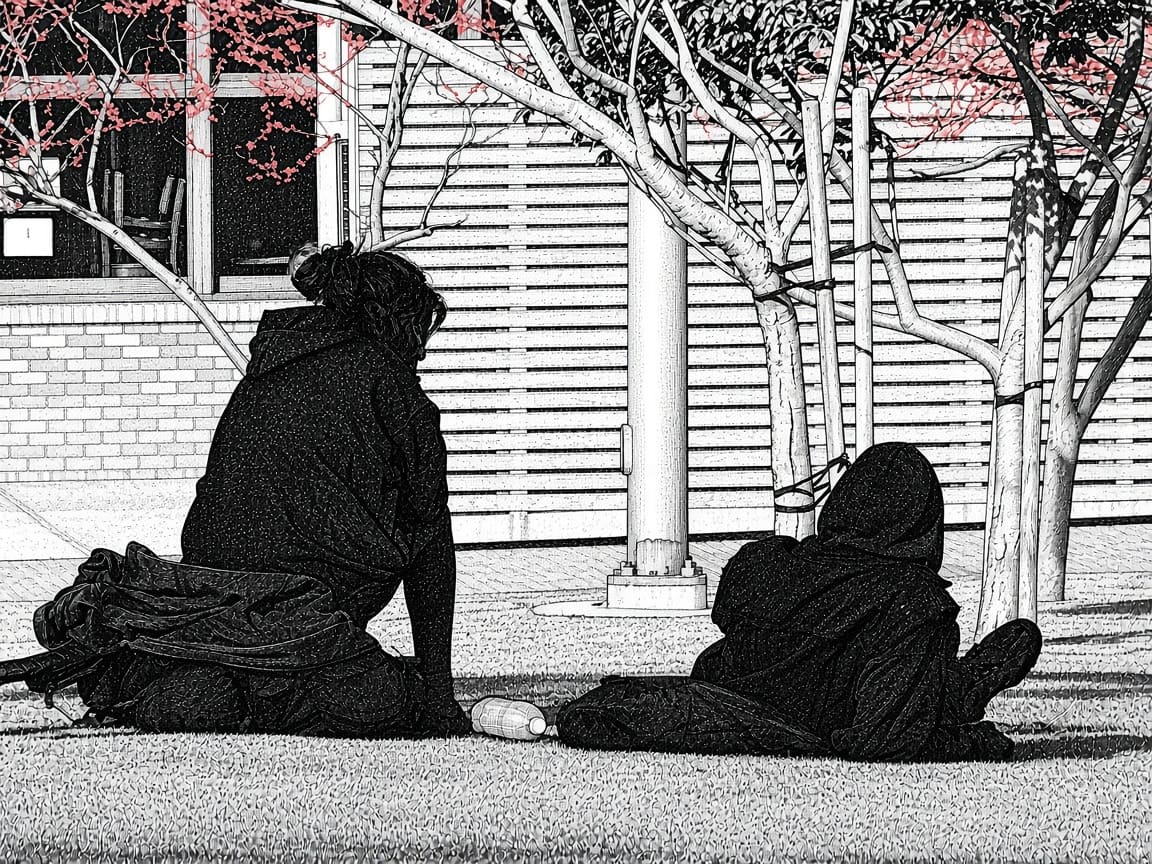
The number of homeless people receiving services in San Diego has risen 37 percent since 2019, from 10,775 to 14,769, even as the city has nearly doubled its homelessness response capacity, according to an update presented to the City Council on Oct. 12.
Sarah Jarman, director of the city's Homelessness Strategies and Solutions Department, told the council that the average length of homelessness increased 27 percent over the same period, from 771 days to 980 days. "It's taken longer to secure stable housing," Jarman said.
The presentation on the Community Action Plan on Homelessness, originally adopted in 2019, showed the city has expanded its total homelessness resources from 5,924 in 2019 to 11,572 in 2026. Supportive housing units grew from 3,229 to 6,804, a 111 percent increase. Safe parking jumped 196 percent, crisis response beds rose 75 percent, and rapid rehousing units increased 54 percent.
Despite those gains, the system remains short of its goals. San Diego needs 3,101 more supportive housing units to meet its 2029 target, having added just 419 in the past three years. The average development cost is $564,953 per unit, according to the San Diego Housing Commission. Rapid rehousing beds have actually declined by 172 since 2023, and the city expects further losses as the U.S. Department of Housing and Urban Development shifts toward a treatment-first approach and transitional housing model.
On the cost side, the Housing Commission reported that prevention programs cost $7,735 per household, while diversion programs range from $2,939 to $3,269 per household. Permanent supportive housing costs between $22,801 and $35,942 per household annually.
"The environment since 2019 has changed significantly," Jarman said. "Demand has grown, funding has shifted, and the needs of the population have changed."
In a notable shift, the monthly number of people falling into homelessness and the number moving into permanent housing reached parity in 2026, at 1,017 each — narrowing a gap that stood at 1,160 inflows versus 746 housed in 2023.
Unsheltered homelessness in the city declined for a second consecutive year in the latest Point-in-Time Count, which the mayor's office has attributed to expanded shelter capacity. The city currently funds approximately 2,600 sheltering options.
Calls to the 211 help line about housing rose 30 percent since 2019, with about 19,000 housing-related calls in 2025. Half of callers sought referrals for housing assistance, income support, employment services, or utility assistance.
Sources
Get the print edition in your mailbox
San Diego Newsline is mailed every week to San Diego County homes — 52 editions for $89.95 a year.
Subscribe — $89.95/yearProduced by the San Diego Newsline newsroom from the public sources linked above. See our standards.